

Relocating can be both an exciting and daunting experience. Whether you are relocating across the city or embarking on a cross-country journey, the process often comes with a long list of tasks that can leave you feeling overwhelmed. That's why we've turned to the professionals for their best tips and tricks to make your move as seamless as possible. From creating the perfect moving checklist to mastering the skill of packing, we will cover all you need to know to ensure that your move is smooth and well-structured.
In this guide, we’ll explore essential strategies, such as how to pack a kitchen without breaking a single dish and the most effective ways to relocate with pets and children. We will also talk about the hidden relocation costs that often surprise people unexpectedly and help you determine whether moving insurance is worth the investment. Whether you're preparing to downsize, navigating tight apartment stairs, or trying how to fit more into each box, we have got you covered with professional advice that make moving enjoyable and easy.
Essential Tips for Preparing to Move
A smooth move begins long ahead of the moving truck comes. Start by creating a schedule that helps you stay on top of the many things ahead. The Ultimate Moving Checklist: From 8 Weeks Out to Moving Day serves as a comprehensive guide to help you manage everything from organizing your items to scheduling utility transfers. By breaking down tasks into manageable chunks, you can prevent last-minute stress and ensure that you don’t forget anything is missed.
Getting rid of unnecessary items is an important part of preparation. Utilize the "Keep, Toss, Donate" approach to evaluate your belongings and make decisions about what to bring to your new home. This method not only lightens your load but also helps you refresh your living space. Consider how much time you spend to each category and remember, the fewer you bring along, the easier your move will be. This is especially important when you are looking to cut costs on your next move; less stuff mean less packaging and potentially lower moving costs.
Preparing your belongings strategically is another key element to a seamless transition. Take the time in learning Packing 101: How to Master the Art of the Box Label to ensure that the unpacking process is both efficient and straightforward. Labeling boxes by room and contents simplifies your search for essentials upon arrival. Additionally, don’t forget prepare a "First Night" Essentials Box that includes all the essentials for your first night in your new home, such as toiletries, basic kitchen supplies, and any necessary medications. This planning guarantees that you can relax and get comfortable without scrambling through boxes after a long day.
Packing Strategies and Recommendations
When it comes to packing, planning is key. Start by creating a comprehensive checklist that outlines what needs to be prepared and when, ideally beginning two months before the day of the move. Sort your belongings into categories: keep, discard, and donate. address decreases the volume of items to pack but helps you keep only the things that truly matter. Use the "Keep, Discard, Give Away" method to help with this and maintain a focused mindset throughout the packing process.
For delicate items like dishes or glasses, employing the right packing techniques is crucial to ensure everything arrives in one piece. Consider using dish pack boxes designed especially for delicate items, along with a lot of padding materials such as foam or wrapping paper. Label each box carefully with its contents and the room it belongs in, and take extra care when packing the kitchen by employing the strategy of organizing a kitchen without damaging a any dish.
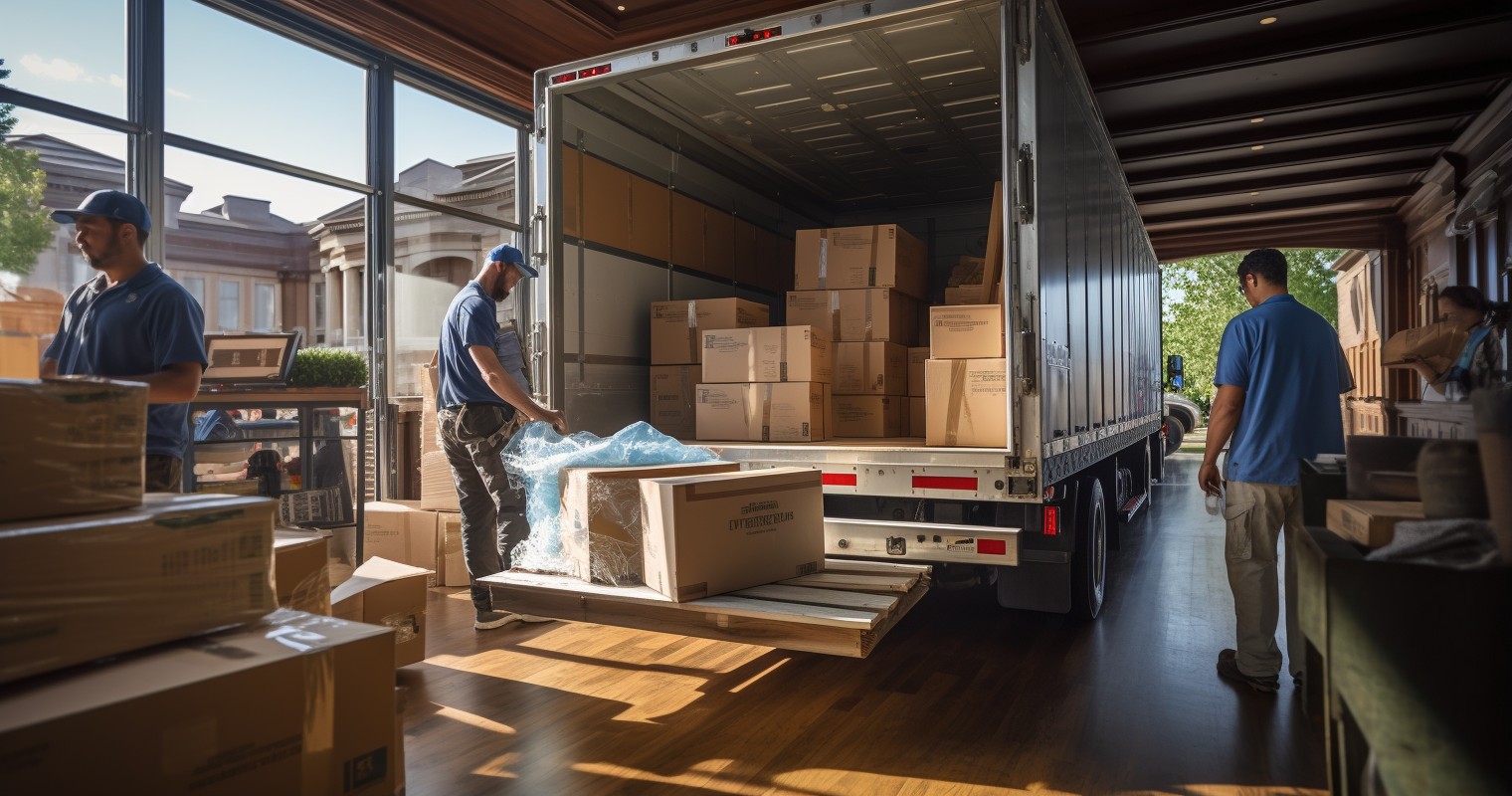
As you prepare to move, remember to create a "First Night" essentials box. This should include items you'll need right away upon arrival at your new home, such as toiletries, a change of clothes, basic kitchen supplies, and important documents. Having these essentials at your disposal can make your first night much more comfortable and reduce stress during the transition. Prioritize your packing in accordance with how you’ll need to get to each item, ultimately streamlining your relocation process.
Managing the Relocation Day
On relocation day, planning is crucial to ensuring everything goes as seamlessly as it can. Start your day early by going through your relocation checklist to make sure you have everything prepared and for transport. Having a clear plan for when and how you will load and transport your belongings will help minimize friction as the day progresses. Be sure to have all essential supplies handy, such as packing tape, labels, and any emergency packing items for belongings you might still be employing.
Coordination with your helping hands is crucial. Whether you are employing experienced movers or relying on friends and family, make sure everyone understands their responsibilities and jobs. Delegate tasks effectively, such as packing up specific areas or overseeing important items. Having a appointed point person to oversee the process can keep things moving quickly and help tackle any emergent challenges that emerge.
Don't forget to consider yourself and your helpers on moving day. Plan for nourishment and hydration, as moving can be strenuous work. Plan short breaks to ensure energy levels high and support morale during the busy day. By remaining organized, communicating effectively, and looking after all helpers, you can make your relocation day as effective and stress-free as possible.