

Moving can often seem like a daunting task, loaded with pressure and doubt. Whether you are moving across town or taking a interstate journey, the process can be overwhelming. The good news is that with the best strategies and practical tips, you can tackle your shifting with confidence and planning. Learning from the experiences of experienced movers can provide you with invaluable knowledge to make your move more seamless and organized.
In this article, we'll provide qualified tips and actionable techniques that cover various aspects from packing your cooking area without breaking a single dish to creating a overnight essentials box. You will learn important tips for managing your transition, such as a detailed moving guide, how to manage the details of moving utilities, and smart ways to cut costs. With these tips in hand, you will be ready to tackle your shift like a professional, ensuring that your new chapter starts on the best note.
Preparing for Your Move: Your Comprehensive Checklist
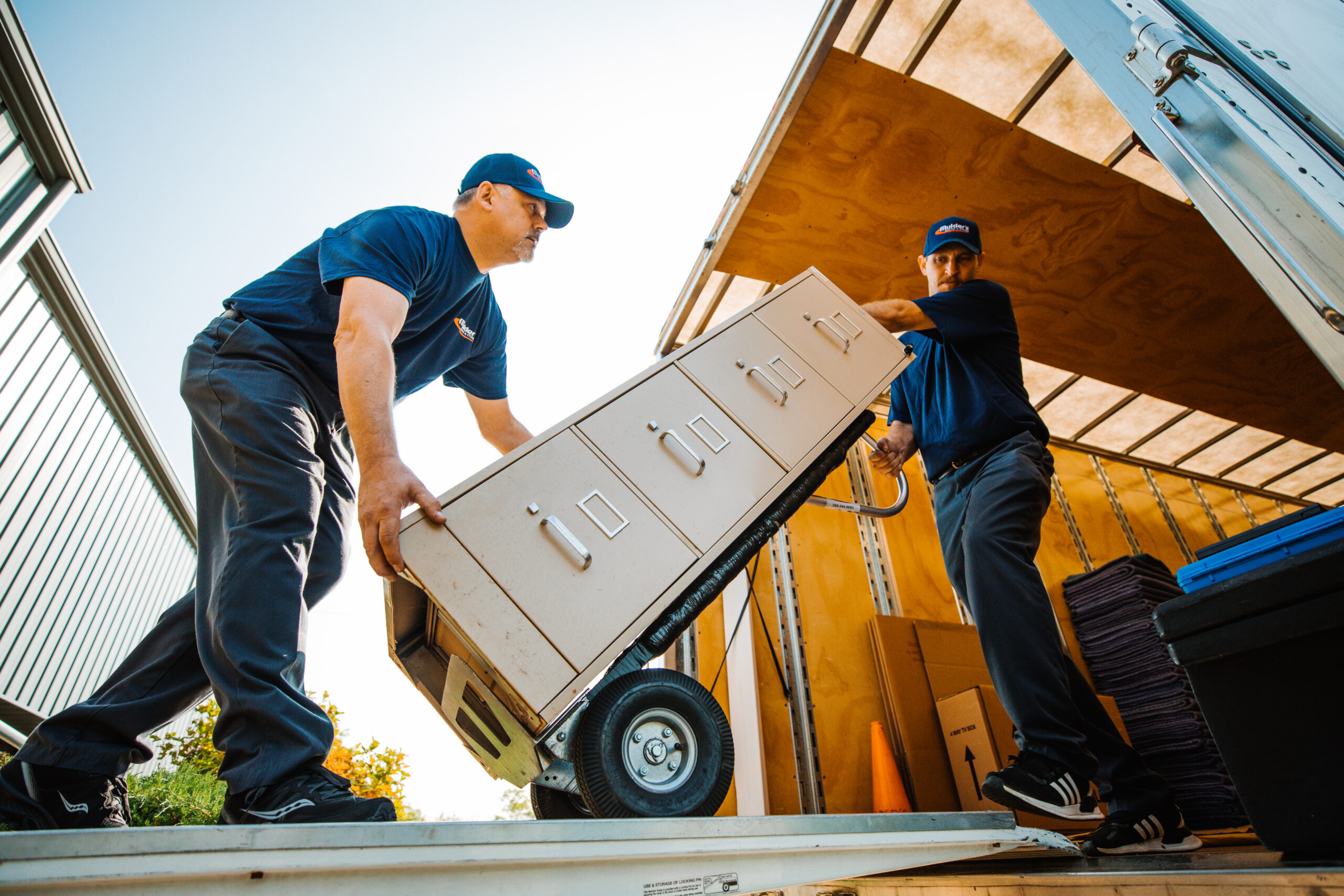
Moving can be a daunting task, but with the proper preparation, you can make the process easier and less stressful. Start by creating a timeline that outlines key tasks to accomplish each week prior to your move day. The Ultimate Moving Checklist should begin at least two months weeks out, giving you sufficient time to sort your belongings, collect packing materials, and coordinate necessary services like moving truck rentals or professional movers.
As you get closer to moving day, take time to streamline your space using the "Keep, Toss, Donate" method. This approach not only minimizes your load but also helps you determine what items are genuinely important. Make separate piles for things you absolutely need, items you can part with, and donations. This system will make packing easier as you'll have a better idea of what needs to be packed, and it can cut money on moving costs by lowering the amount of stuff you have to transport.
Finally, create a list of essentials to have on hand during the move, including vital documents, medicine, and basic toiletries. Contemplate packing a "First Night's essentials box" that includes items you'll need as soon as arrival, like bedding, snacks, and a change of clothes. By foreseeing and following this checklist, you'll not only streamline the packing process but also ensure a less chaotic and less chaotic moving experience.
Organizing Techniques for a Hassle-Free Experience
One of the best packing strategies is to initiate the process early and develop a schedule. Begin your packing process at least eight weeks before your relocation by adhering to The Ultimate Moving Checklist. This will help you methodically tackle each part of your home without falling overwhelmed. Segment tasks by room, and prioritize items that you rarely use. This strategy not only reduces stress but also enables for a more structured packing experience as you progressively clear out your living space.
As you organize, think about the "Keep, Toss, Donate" system. This technique encourages you to re view each item and decide whether to keep it, toss it, or donate it. This not only diminishes the number of items you need to pack but also lets you reduce your load and get rid of clutter. By going through your belongings upfront, you create a more effective packing process and ensure that only the must-haves make the journey to your new place.
Finally, tag your boxes with comprehensive information about their belongings and the room they belong to. Packing 101: How to Master the Art of the Box Label is a key method for an orderly move. This practice makes unpacking much simpler and helps you locate essential items quickly. Designate a dedicated box for critical items like toiletries and a change of clothes to create a "First Night" Essentials Box. By implementing these techniques, you can make your moving experience more pleasant and less disorganized.
Transition Day Advice for a Seamless Move
On relocation day, start early to make sure everything is packed and good to go. Make sure to have your necessities box accessible, containing things you'll need right away upon getting there. This box should contain personal care items, quick bites, simple tools, and vital documents. Organizing food and refreshments for both adults and little ones can greatly ease tensions during the hectic moments of the day.
Clear communication is important on moving day. If you are using a moving team, ensure you verify time of arrival and any particular instructions you have for them. For those relocating with family members or companions, give responsibilities to ensure everyone knows their role. This unified approach reduces confusion and helps the day run more smoothly, allowing for a quicker unloading and organization process in your new place.
Ultimately, don't forget to take breaks and stay adaptable throughout the day. Unexpected challenges may happen, so keeping a positive mindset can significantly influence the overall journey. If you have furry friends or little ones, try having someone look after them during the move to reduce stress. Ultimately, the aim is to make the move pleasant and unforgettable, in spite of the challenges that moving can present.